
When AI Makes Content Cheap, Clarity Becomes the Skill
Decks, reports and spreadsheets now cost almost nothing to produce. The work that still costs something is deciding what matters and explaining it so someone else understands.
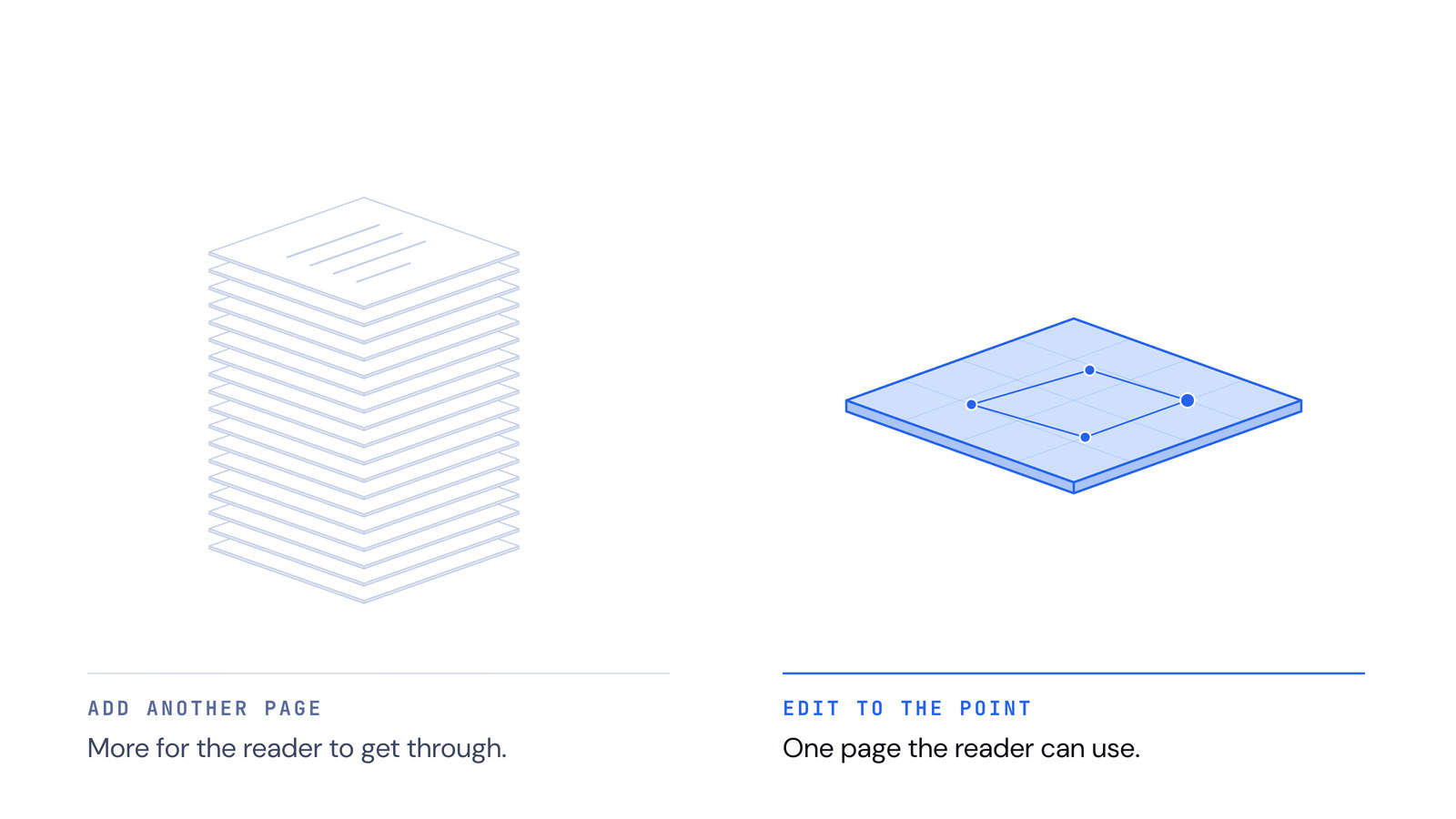
AI agents can now produce a fifty-page deck, a formatted report or a working website from a plain-English request. The cost of producing business material has fallen close to zero. The cost of reading it has not moved, and that gap changes where the skill lies. When anyone can make more, the scarce ability is deciding what matters and explaining it so another person understands it quickly.
A line often attributed to Mark Twain describes the problem well: “I didn’t have time to write you a short letter, so I wrote you a long one.” Length is the default. Getting to the point takes work, and AI has made the default much cheaper without making the work any easier.
What changed when the computer became something you ask
Around the end of 2025, tools like Claude Code turned into general helpers that work directly on a computer: they open files, run programs and finish a task described in a sentence. The first useful job I gave one was small. Images for our newsletter often arrived as .webp files and the template needed PNGs, which meant an online converter, uploads and downloads every week. I asked the agent to convert the two files in my Downloads folder, and it did. I never saw which tool it used.
That changes how you approach the machine. The means matter less once you can describe the outcome, and the requests grow quickly from file conversions to decks, reports and websites. We now build most client materials in HTML for that reason. A slide tool is designed around a person moving boxes. HTML lets an agent describe and change the whole page in code, and the reader gets charts they can explore and sections they can open (we covered the shift away from slide software in Where Should AI Work Actually Happen?).
Why AI-produced documents keep getting longer
The same tools are available to everyone. A forty- or fifty-page deck can be produced on demand, and from a distance it looks finished. Read it properly and the familiar marks show through: generic arguments that would fit any company, the same point made three times, charts that do not tell the reader much.
The growth has a simple cause. Another slide costs almost nothing, so it goes in. The ten-page deck becomes twenty, then thirty, with an appendix and a supporting document for good measure. Each addition looks reasonable on its own. The total is what the reader has to get through, and the reader’s time is the one input AI has not made cheaper. We looked at the review side of this in What Happens to Deep Work When AI Produces the Drafts: the cost of cheap production moves to whoever has to check it.
Clear communication is an editing job
Producing a clear document requires understanding the argument well enough to make choices. Which example makes the point. Which pages can go. Whether three paragraphs would work better as one diagram. None of those decisions are formatting, and none of them come from producing more material.
In finance this skill has always mattered. A good deck has a sequence, each page moves the reader one step through the story, and the visuals do some of the explaining. What has changed is the ratio. When production took most of an analyst’s week, the editing happened in whatever time was left. When production takes minutes, editing can take most of the time, and it should.
The same holds at the operating level. A monthly management pack that grows a new tab every time someone asks a question becomes a document nobody reads end to end. In one PE-backed services business we work with, the work has been replacing the monthly deck with one dashboard showing what is about to go wrong, built on reconciled operating, billing and accounting data. Quality and billing incidents are down 30 percent, and the people responsible see a problem in one place rather than on slide forty.
Where the time AI saves should go
The default use of saved time is more output. The better use is depth and clarity: going further into the subject, finding the explanation that actually lands, and testing whether a different format would communicate it better.
Format is the part most teams have not tried. Explainer videos are a good example. The well-made ones from software companies are short, visually clear and deliberate about what appears on screen as the narration explains it. Video production used to need editing skills and software most finance teams do not have. It is now possible to direct one in plain language: an animation library to build diagrams in code, a voice clone trained on existing recordings so script changes do not need a new recording, and a review loop of watching each cut and describing what to fix.
The 88-second explainer above was made that way, directed entirely through Claude Code without opening a video editor. It is imperfect, and pacing a visual explanation is a skill of its own. It also shows the trade: the effort goes into deciding what one point the video makes, and the tools handle the rest.
Business uses for short explainers
Video earns its place where someone needs to follow a sequence. Reference material is still better as a table or a short email. The uses that fit:
- SOPs and training. One task, in the order someone performs it, with a short explanation of each step. When the process changes, update the relevant scene.
- Policy changes. What has changed in an expenses policy, purchasing rule or approval process, explained in sixty seconds, with the full policy linked for reference.
- System rollouts. How a new booking, dispatch or reporting process works, especially when the same change has to reach several sites.
- Customer onboarding. What happens next, what the customer needs to provide and how to get help.
- Business models. How the company makes money and how its services fit together, for new hires or a new owner’s team.
In each case the hard part is the same as in a deck: knowing the one thing the viewer needs to take away. The tools have made the producing easy. The editing is still the work, and it is now where most of the value sits.
Frequently asked questions
- Why does AI-generated content often feel generic?
- Because the model produces a plausible version of the document type rather than the specific argument the reader needs. From a distance the layout and charts look finished. Read closely and the points repeat, the arguments could apply to any company, and the charts do not tell the reader much.
- If AI can produce documents instantly, why does clarity matter more?
- Production is no longer the constraint, so volume rises, but the reader's time is unchanged. Whoever decides what to cut, and makes the remaining argument easy to follow, is doing the part of the job that still requires understanding the subject.
- How should teams use the time AI saves on producing documents?
- Spend it on the editing: reduce the deck to the pages that carry the argument, replace paragraphs with a diagram where the structure allows it, and test whether a different format would explain the point better. Producing more pages is the default use of the time and usually the least valuable.
- Where do explainer videos work in a business?
- Where someone needs to follow a sequence: SOPs and training, changes to an expenses or approval policy, a new booking or dispatch process rolled out across several sites, customer onboarding, and explaining how a business makes money. A table or a short email is still better for reference material.
- Can AI help make communication clearer, or only longer?
- Both, depending on what it is asked to do. The same tools that pad a deck can build a diagram, an interactive report or a narrated explainer in an afternoon. The direction comes from the person, who has to know what the argument is before any tool can make it clearer.
Get this thinking weekly.
Acquisition Intelligence is a weekly read on AI in M&A for deal-makers. No fluff, no hype.